






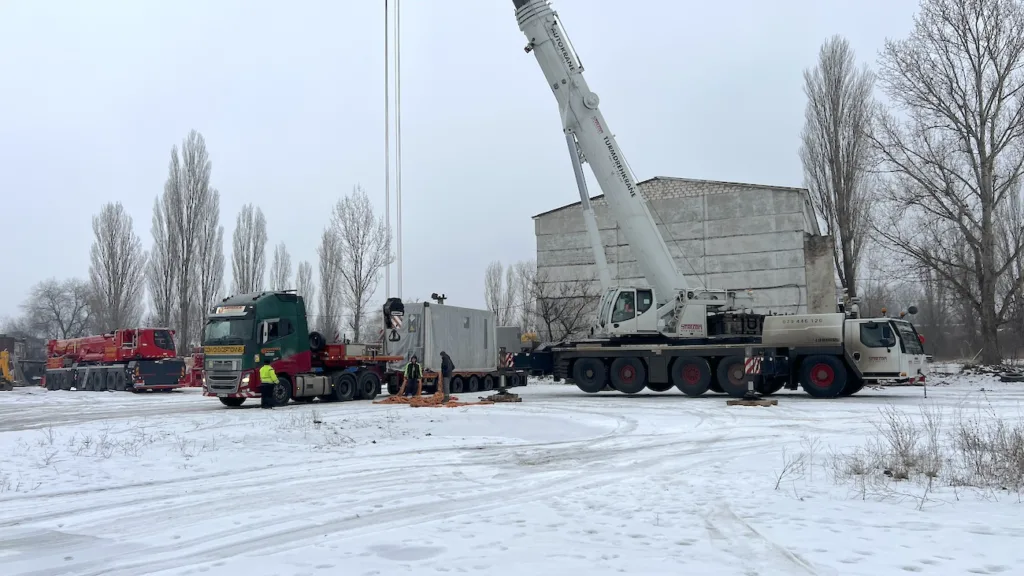
This weekend was a busy one for the QGROUP team, with multiple workstreams moving in parallel and the kind of momentum you feel when equipment starts arriving on-site. New battery storage containers entered the country, immediately triggering the practical sequence that follows any delivery: inbound checks, documentation, labeling, scheduling, and short, decisive calls that close remaining logistics details.
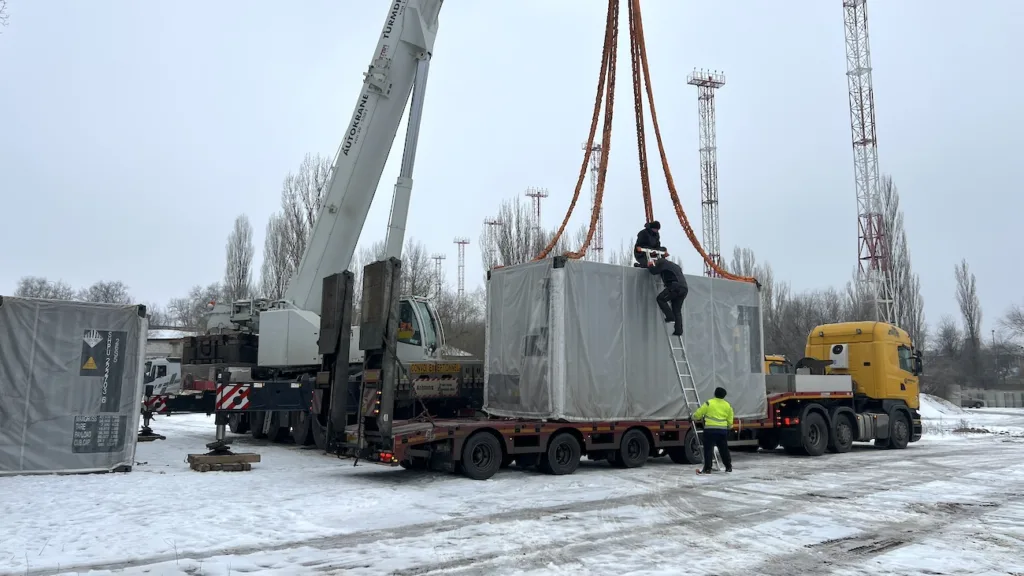
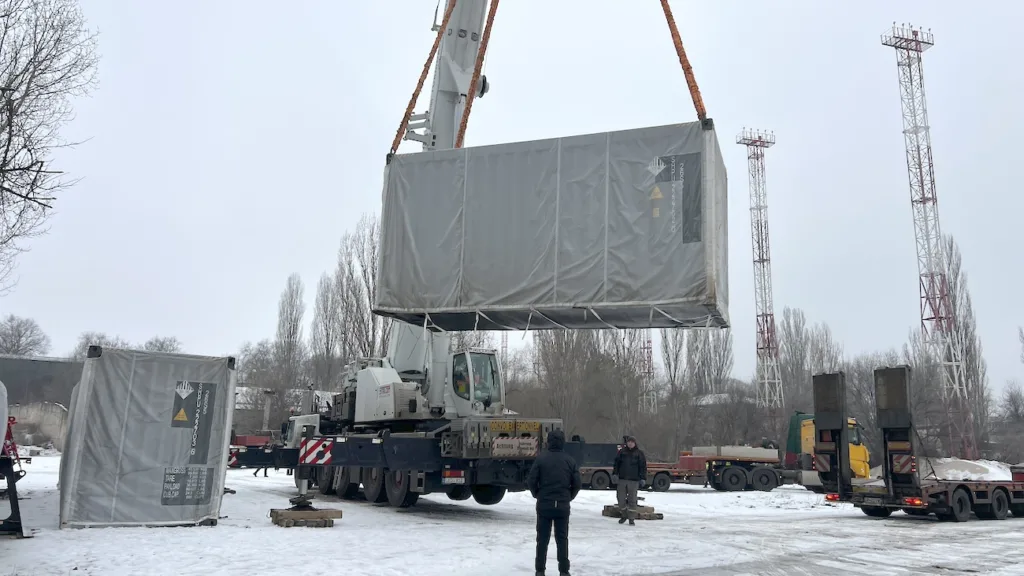
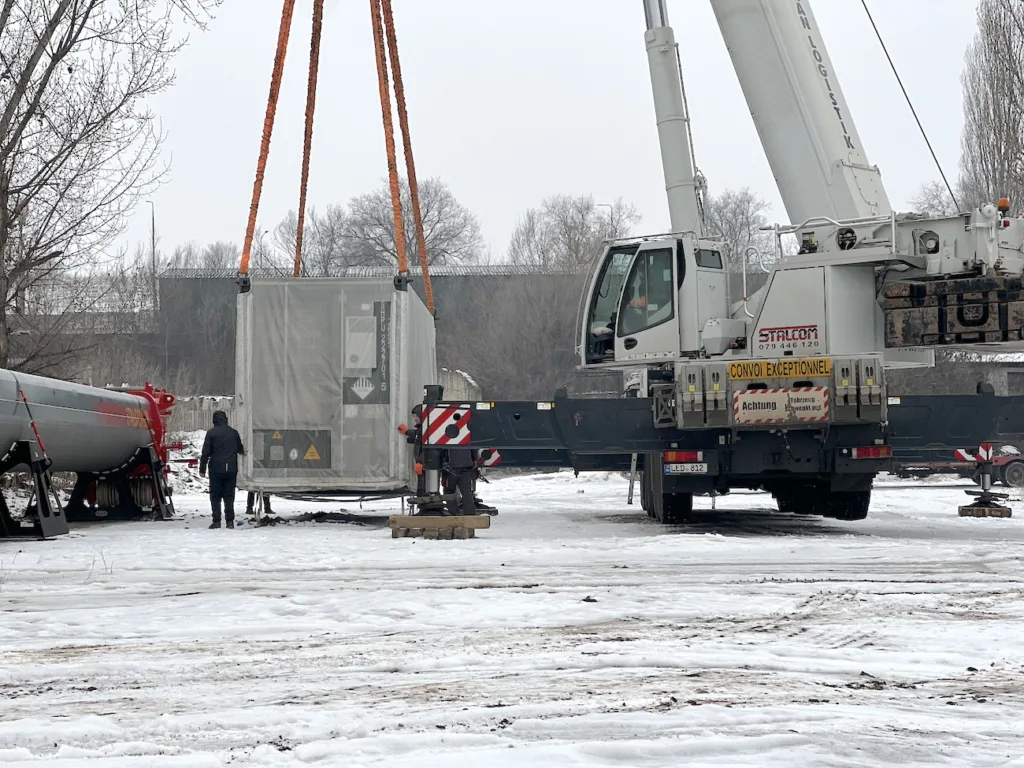
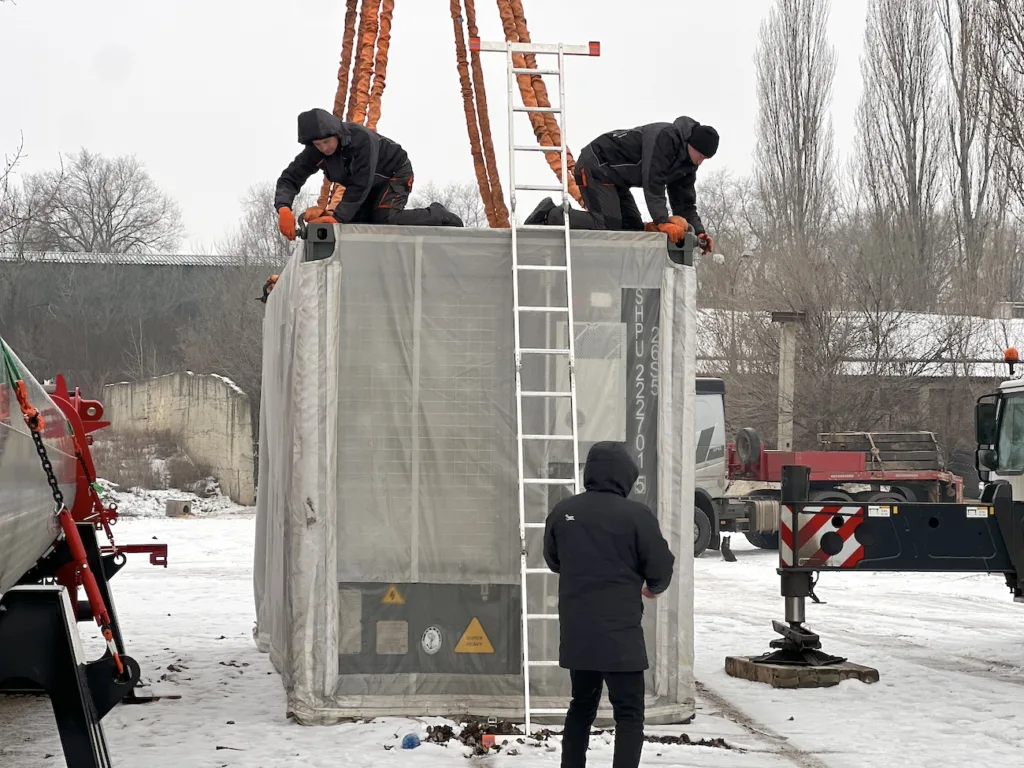
A few weeks ago, the group communicated a confirmed project pipeline totaling 75 MW. The latest deliveries give that headline a clearer operational footprint, because the story now revolves around batches, availability, and site timelines rather than planning assumptions. In other words, the pipeline starts to translate into equipment allocation and execution sequencing.
For 2026, QGROUP is treating storage as a core delivery track, not as an add-on appended late in the project cycle. In a market where delays and integration issues carry immediate cost, competitive positioning increasingly depends on whether a contractor can manage delivery, grid connection, and commissioning in a predictable order. QGROUP’s approach relies on staged deliveries that match site readiness and commissioning capacity.
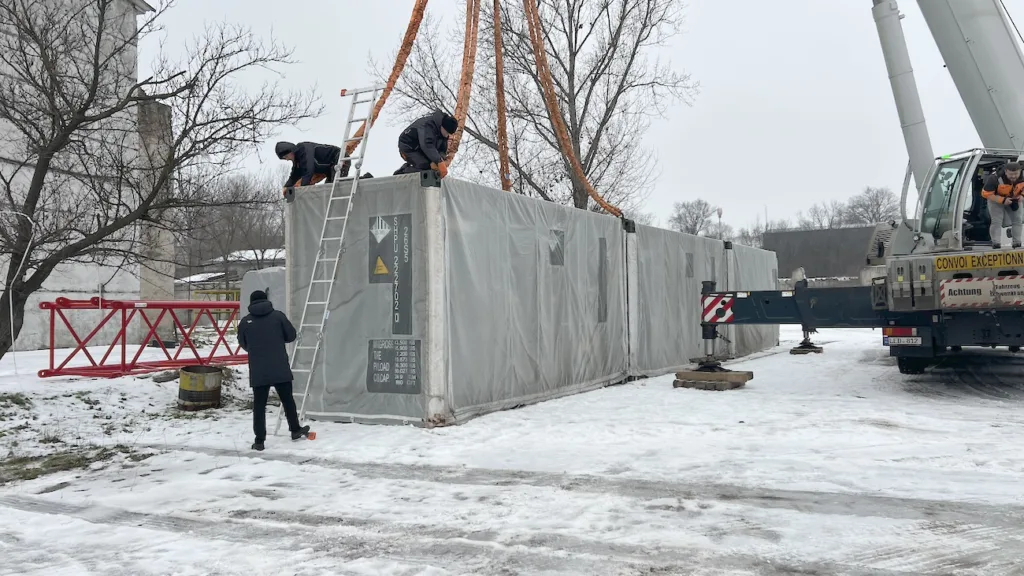
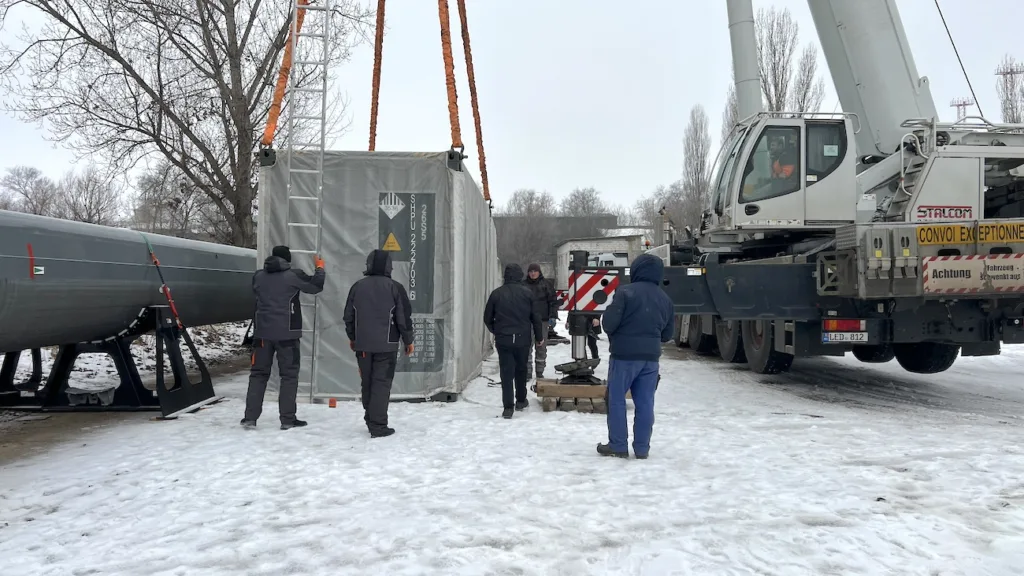
On immediate availability, QGROUP says it currently has 20 MW of battery storage systems already placed in warehouses, containerized and prepared for near-term dispatch to multiple projects. These are received units ready for mobilization, with delivery planning linked to specific sites and beneficiaries. The practical implication is straightforward: projects can move into installation based on what is physically available, not on estimated arrival windows.
Beyond the warehouse stock, QGROUP notes that an additional 10 MW is in transit, with further batches scheduled to follow. This batch-based model supports phased installation and commissioning as each tranche reaches the site, which helps keep crews and equipment synchronized across multiple locations. It also reduces the likelihood of site downtime caused by a single missing component or late shipment.
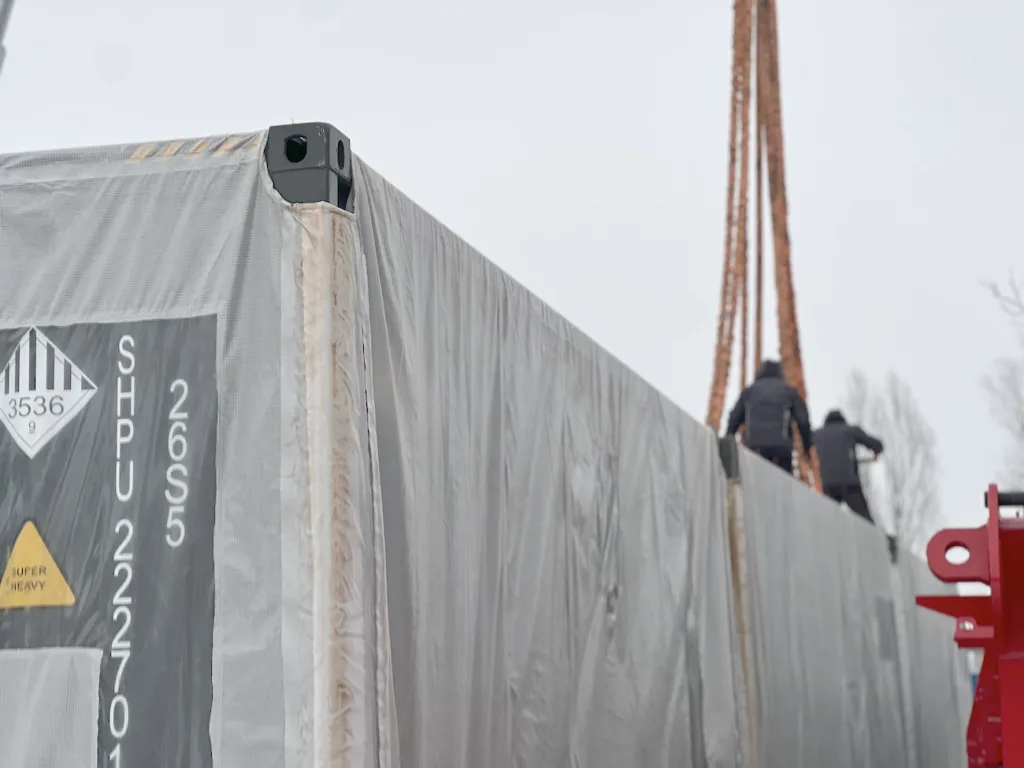
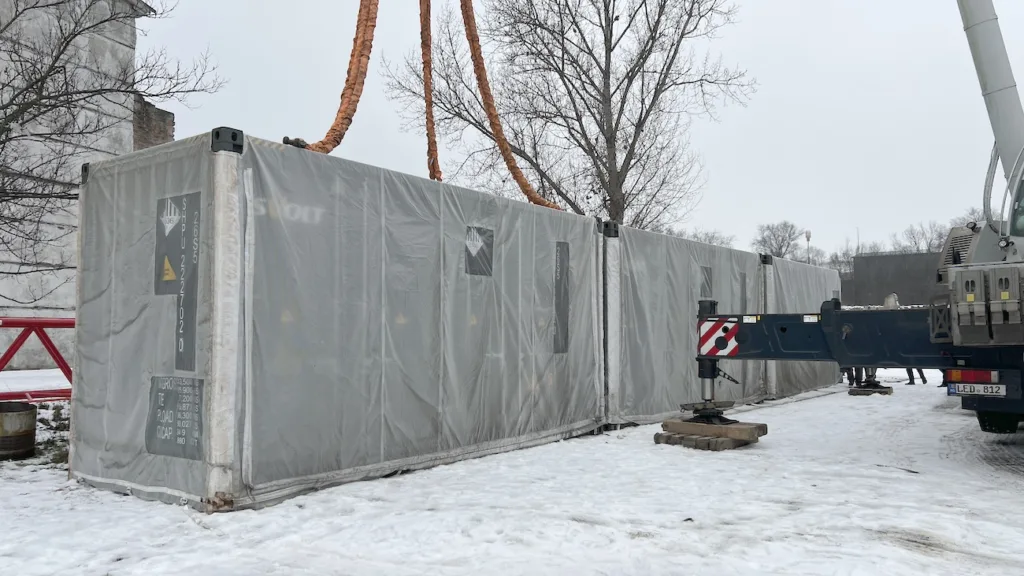
QGROUP frames 2026 as a year when the market will push many players beyond “EPC-only” positioning. Storage projects increasingly require system-level delivery: design discipline, integration know-how, operational logic, and accountability for performance—not just installation. The company is aligning its role accordingly, aiming to deliver storage as infrastructure rather than as a packaged product handed over at the end.
At the technical level, the group points to the full scope behind a MW headline: power conversion (PCS), transformers, protection systems, SCADA/EMS integration, and acceptance testing aligned with grid connection requirements. Site-specific sizing also depends on energy capacity (MWh), which defines discharge duration and shapes the operational use case. QGROUP’s stated objective is a coherent delivery flow from installation through commissioning, without fragmented handoffs.

QGROUP also says it is ready to engage with new customers and partners on both new projects and expansions of existing ones, with a scope that spans EPC through storage infrastructure, integration, and commissioning. The 75 MW pipeline is described as the current confirmed base, and the company expects additional capacity to be added as the year progresses. We will continue to track the rollout as successive batches move from logistics into installed and commissioned capacity.