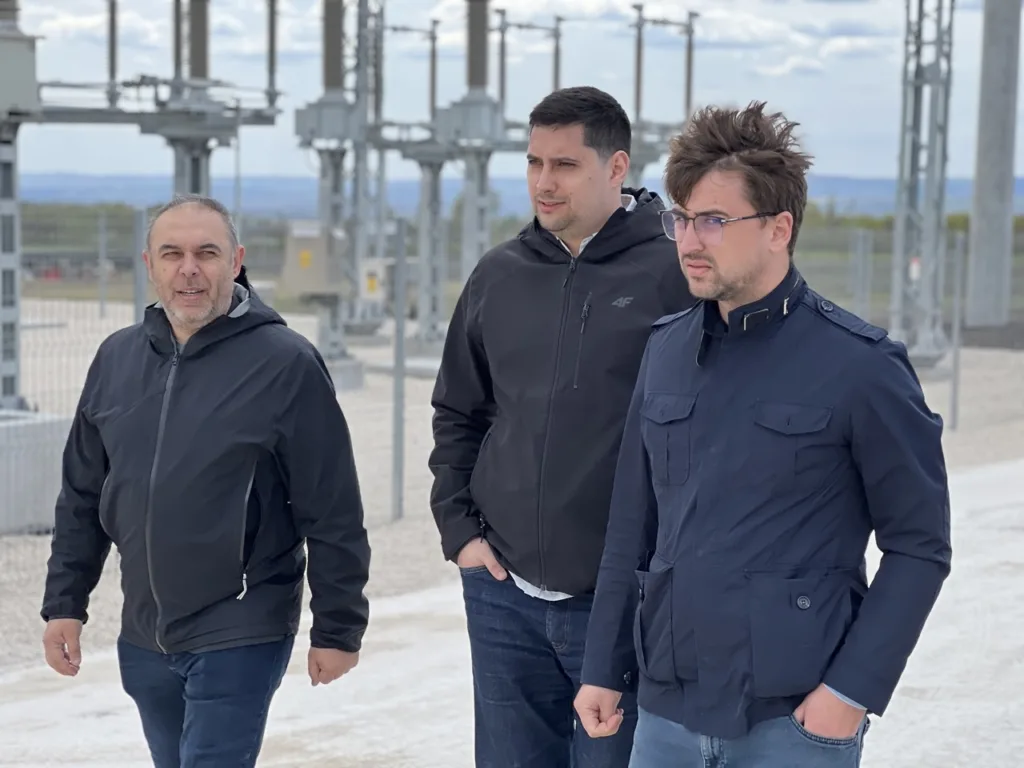
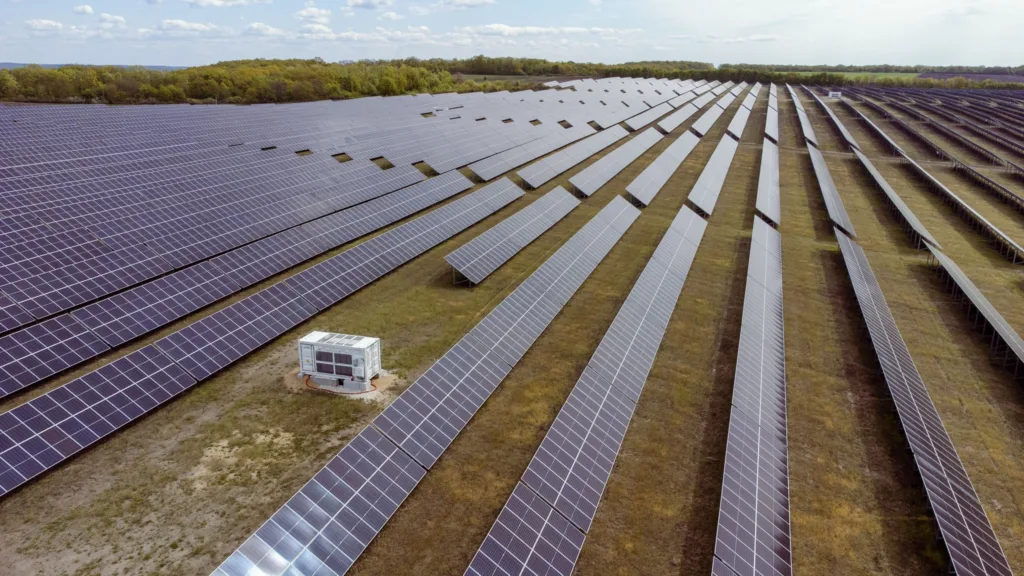
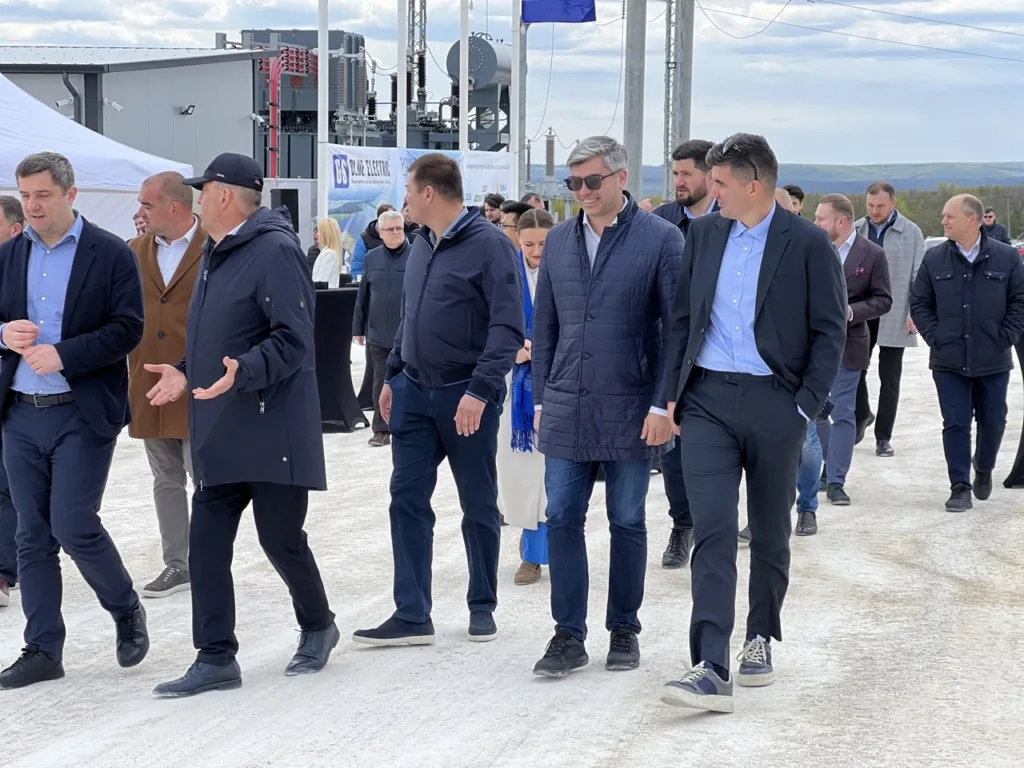
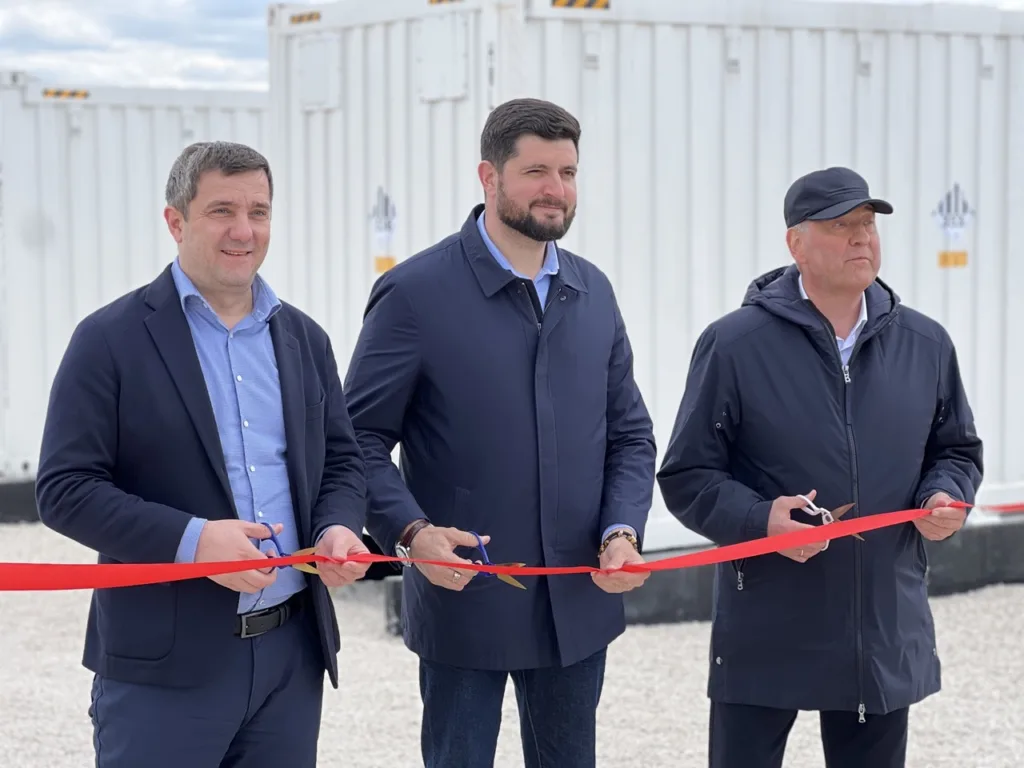
Moldova now has its largest Huawei energy storage system in operation. The 60 MWh BESS was inaugurated today at Rădeni, where it is directly integrated with the existing 50 MW photovoltaic park — the country’s largest operational solar facility.
We wrote in June 2025 about the commissioning of the Rădeni solar park, at that time the first project of this scale brought into operation in Moldova. The project now enters its next operational stage, with storage added to the same energy platform.
The system was supplied by Solaren, Huawei Silver Partner in Moldova and one of the important Huawei technology distributors in Eastern Europe. The company delivered the storage solution for a utility-scale project where technical performance, operational reliability and compatibility with grid requirements are essential.
On the EPC side, engineering, procurement, construction and full technical integration were carried out by Zaw Energy, the largest renewable energy developer and EPC contractor in Moldova. Zaw Energy also built the 50 MW photovoltaic park, which ensured technical continuity between generation and storage.
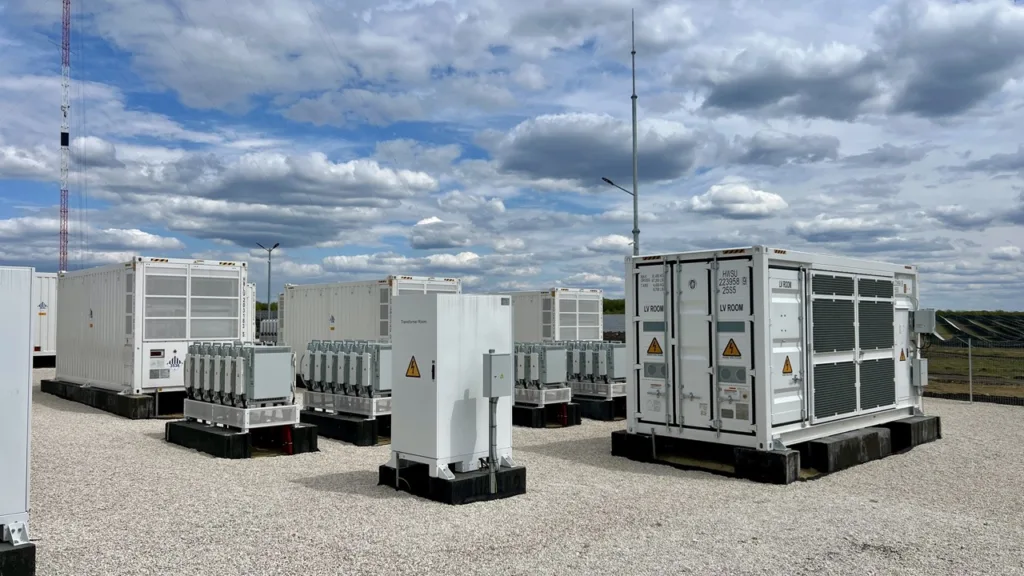
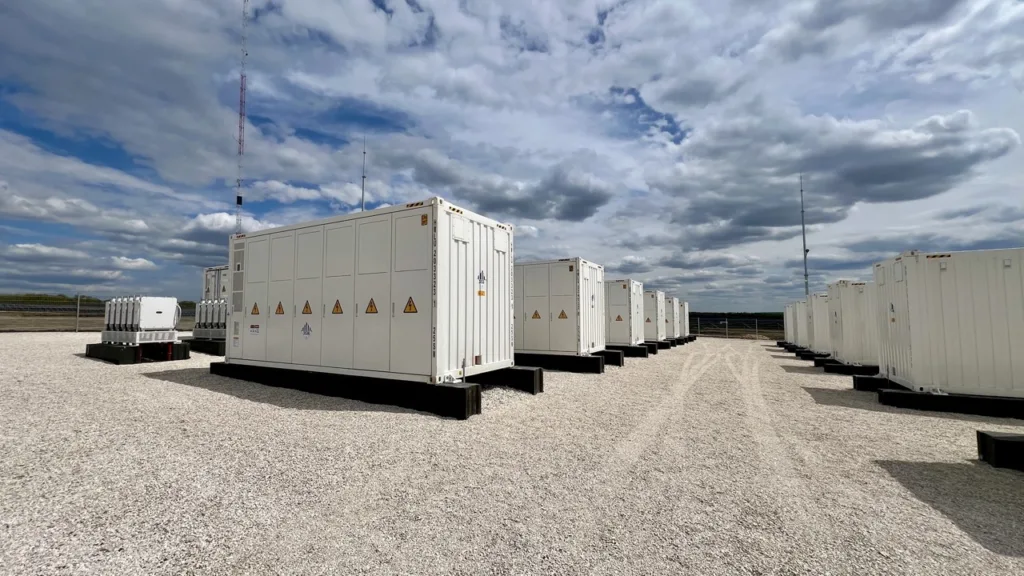
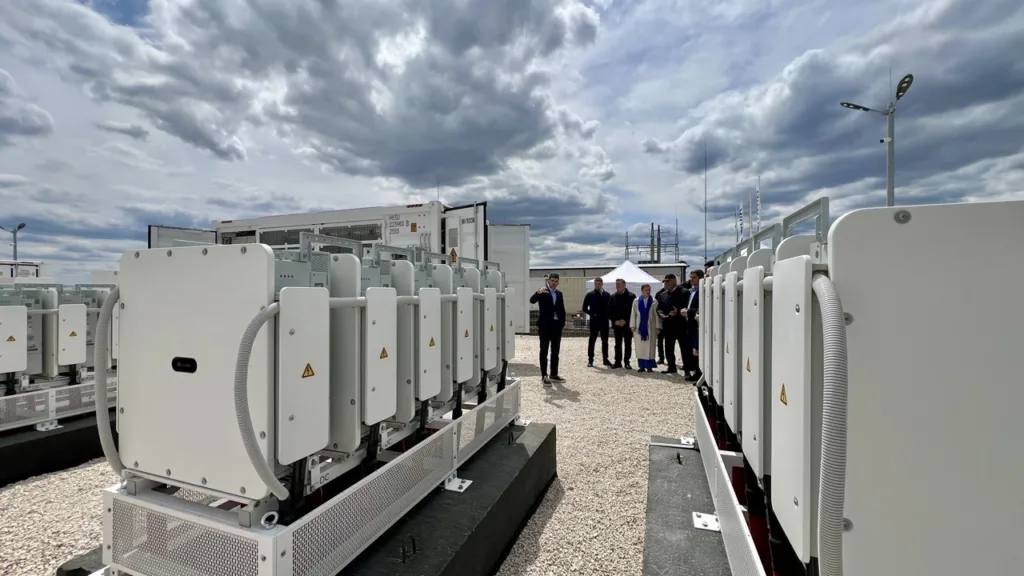
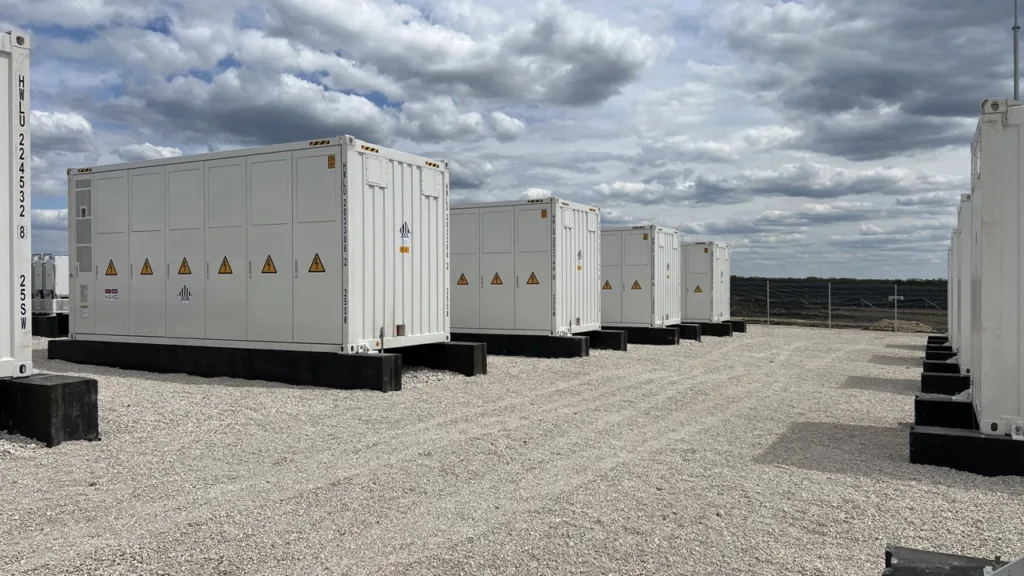
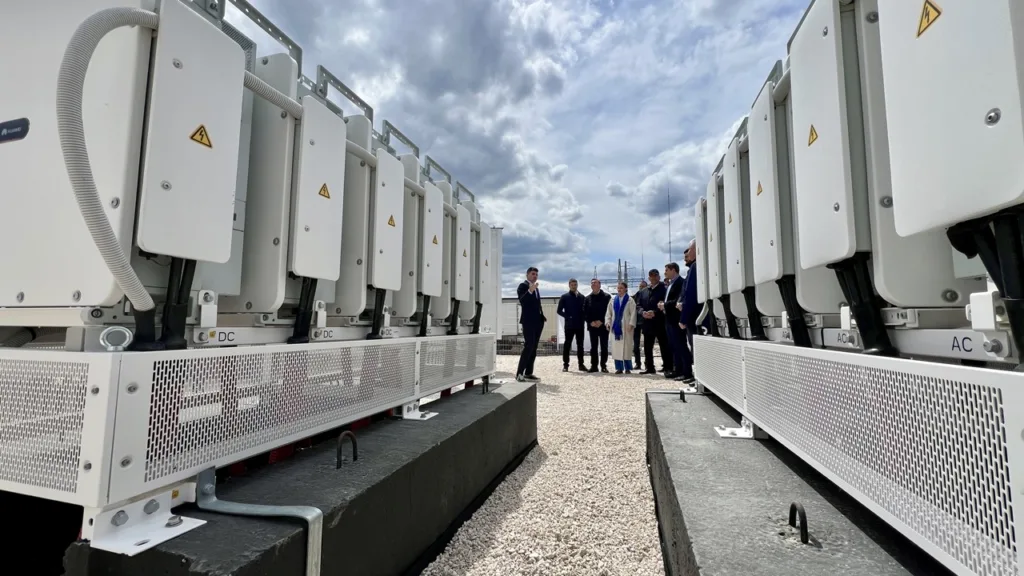
From a technical perspective, the 60 MWh system is designed for grid-connected operation, dispatch optimization and controlled energy delivery. Integrated with the solar plant, it allows part of the generated electricity to be stored and delivered later according to production profile, consumption needs and system operator requirements.
The system uses LFP battery technology — lithium iron phosphate — widely used in industrial and utility-scale applications due to its thermal stability, long cycle life and predictable operating profile. Huawei’s platform integrates battery management, power conversion and energy control into a modular architecture with high efficiency and reduced operating losses.
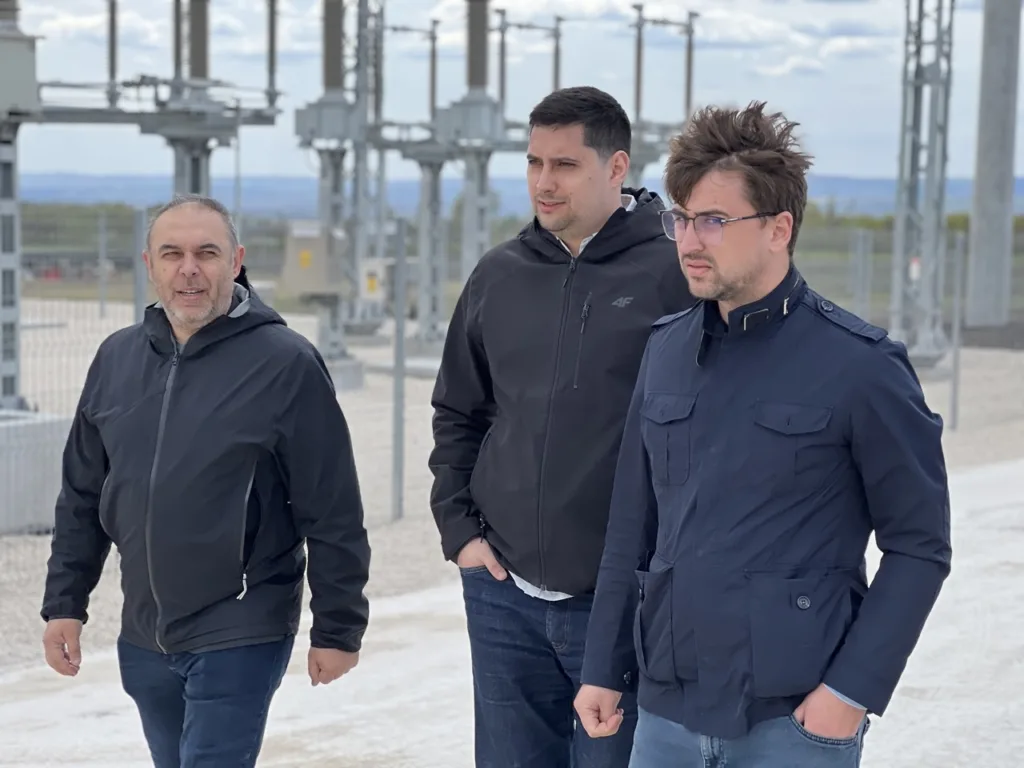

Operational control is handled through an Energy Management System, enabling real-time monitoring, fast response to grid signals and dynamic adjustment of charging and discharging strategies. In this configuration, the BESS works as a flexible grid asset, supporting a more stable and controllable use of renewable generation.
Solaren CEO Andrei Durbalov underlined the technical role of the system in the operation of the Rădeni project.
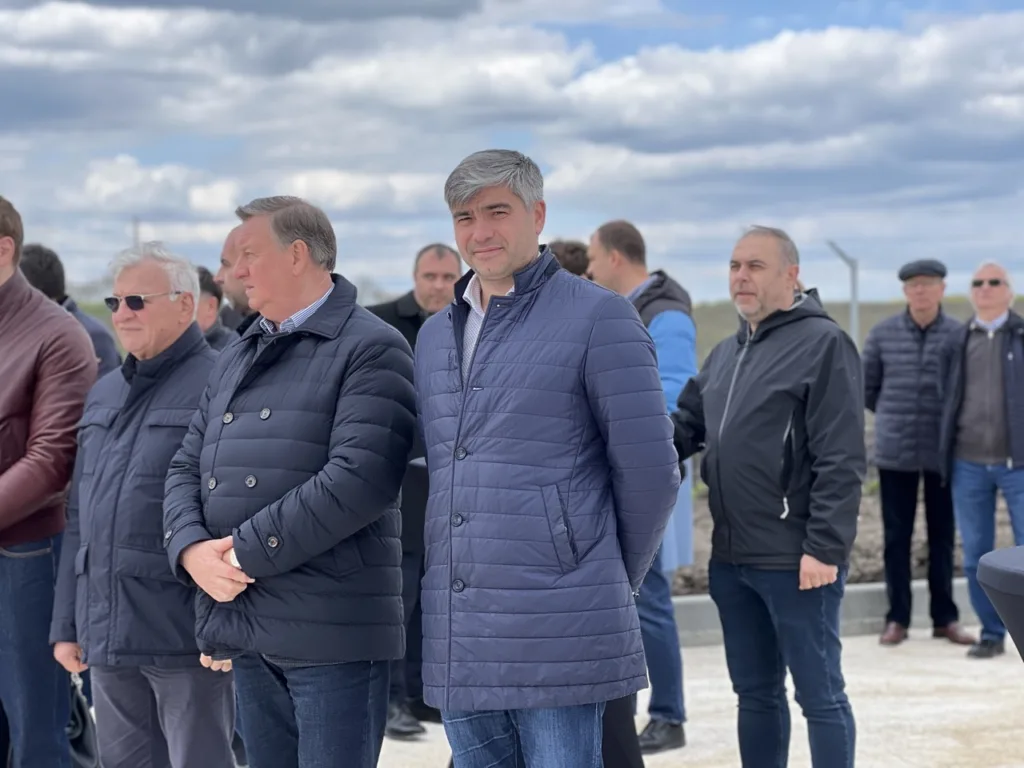
“For a photovoltaic park of this capacity, storage becomes part of the operational architecture. The system allows control of the injection profile, compensation of production variations and coordinated delivery of energy in line with grid requirements. Huawei technology provides fast response, modular architecture and technical parameters suitable for balancing applications and system services,” said Andrei Durbalov.
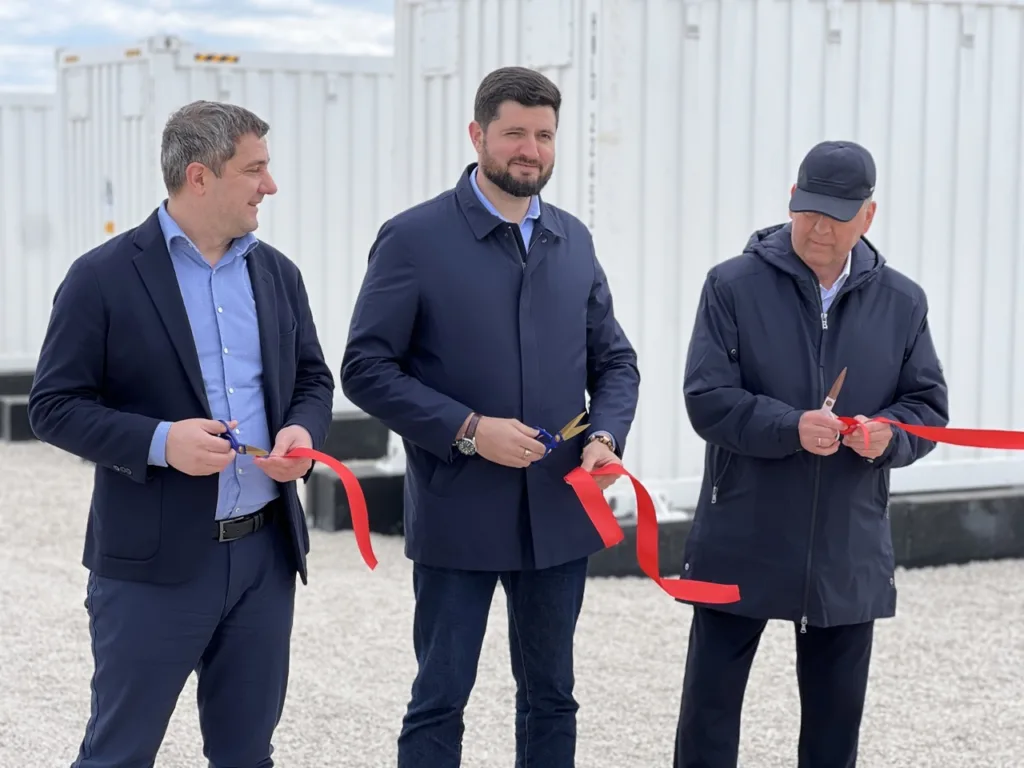
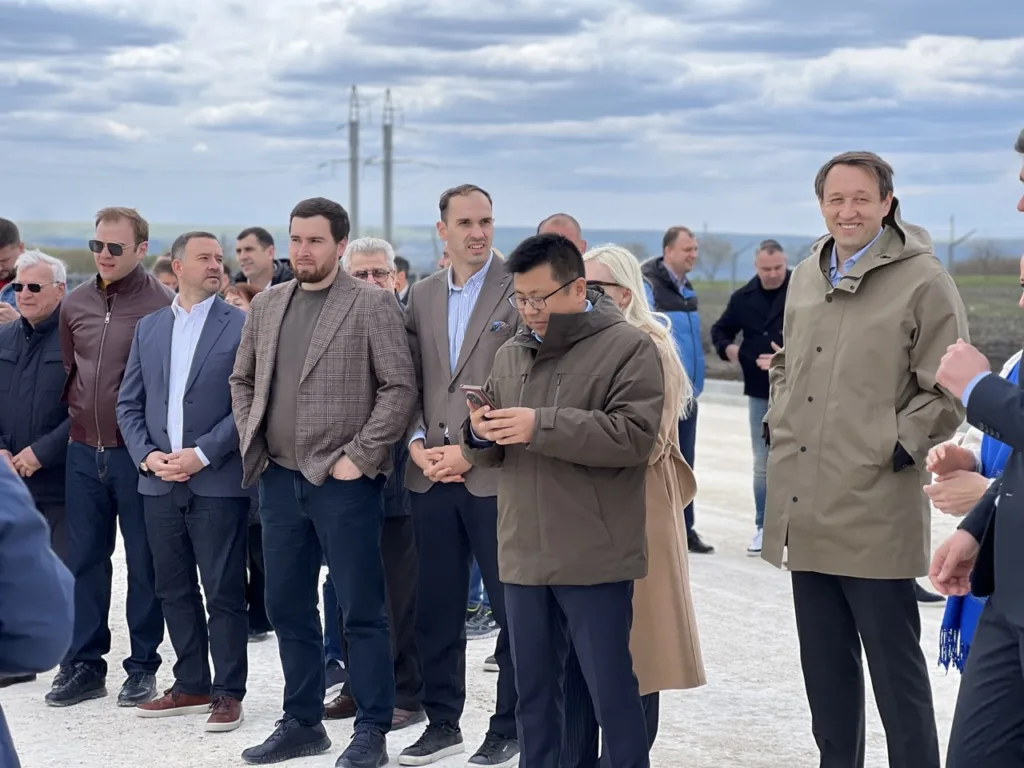

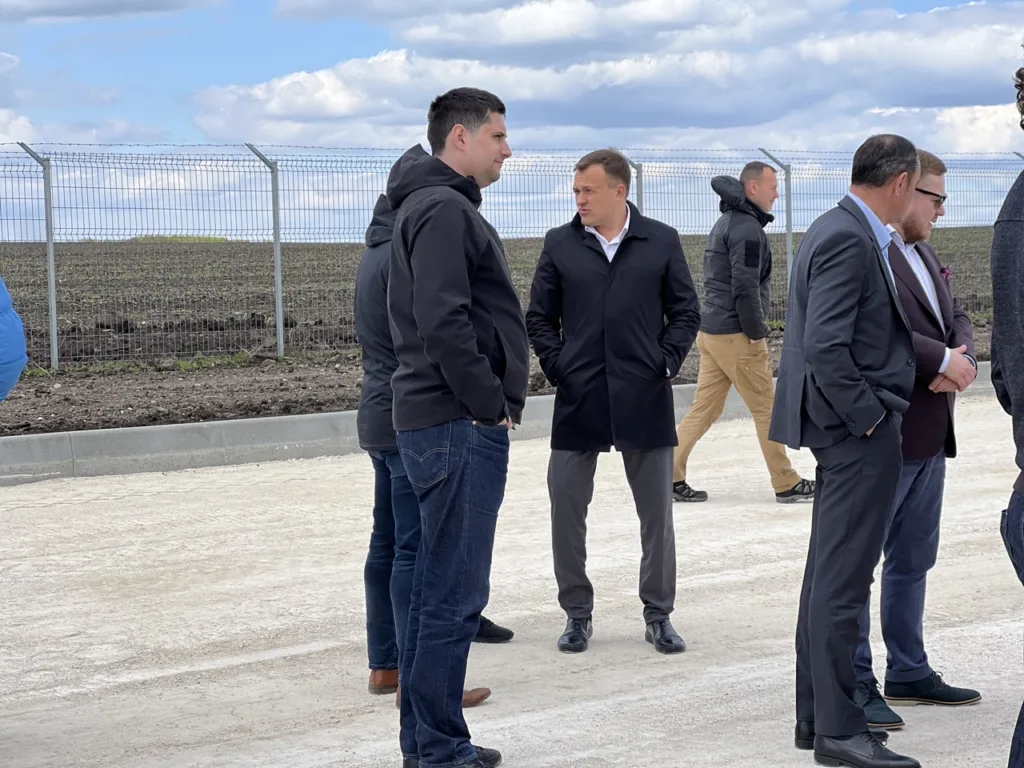
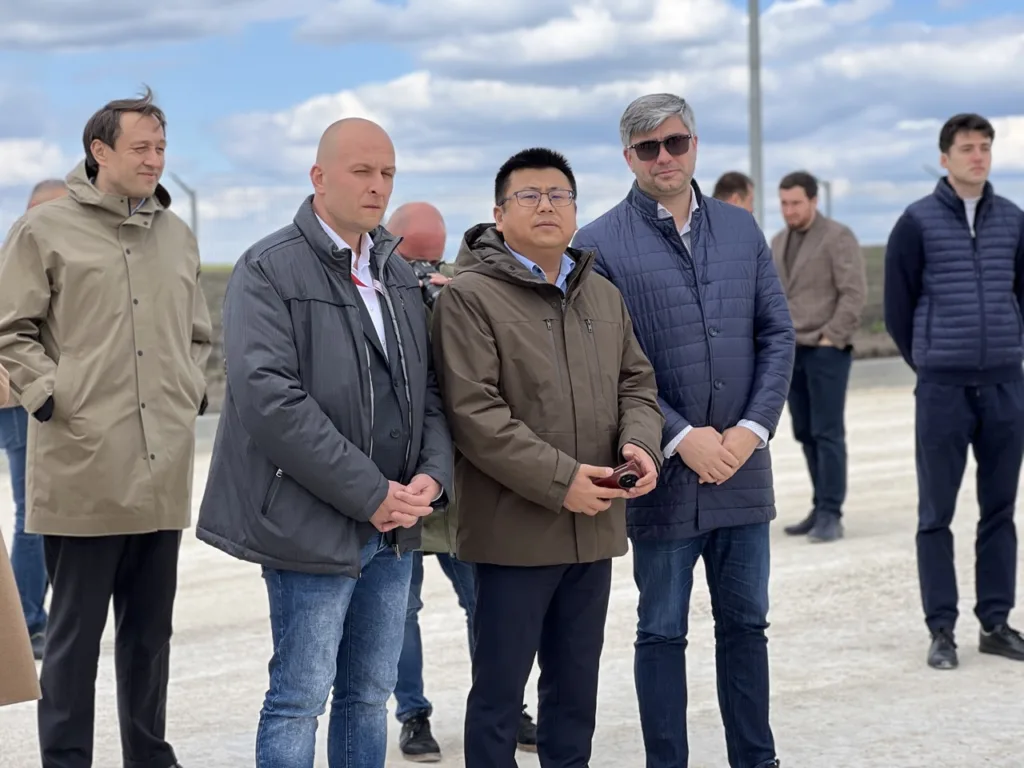
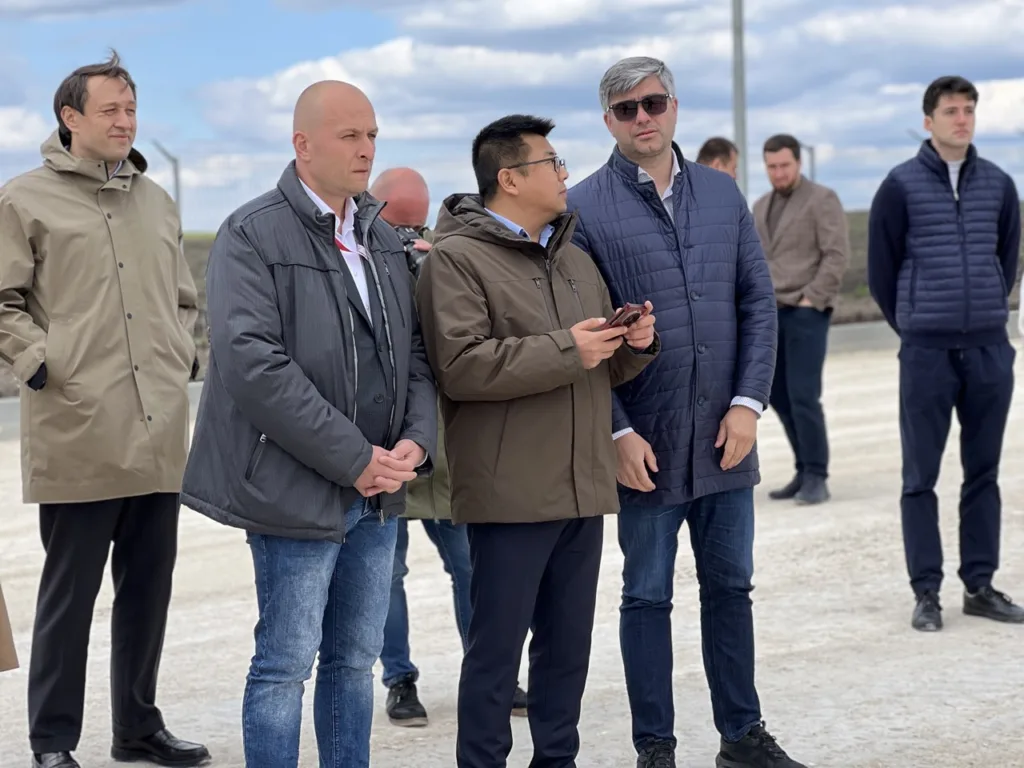
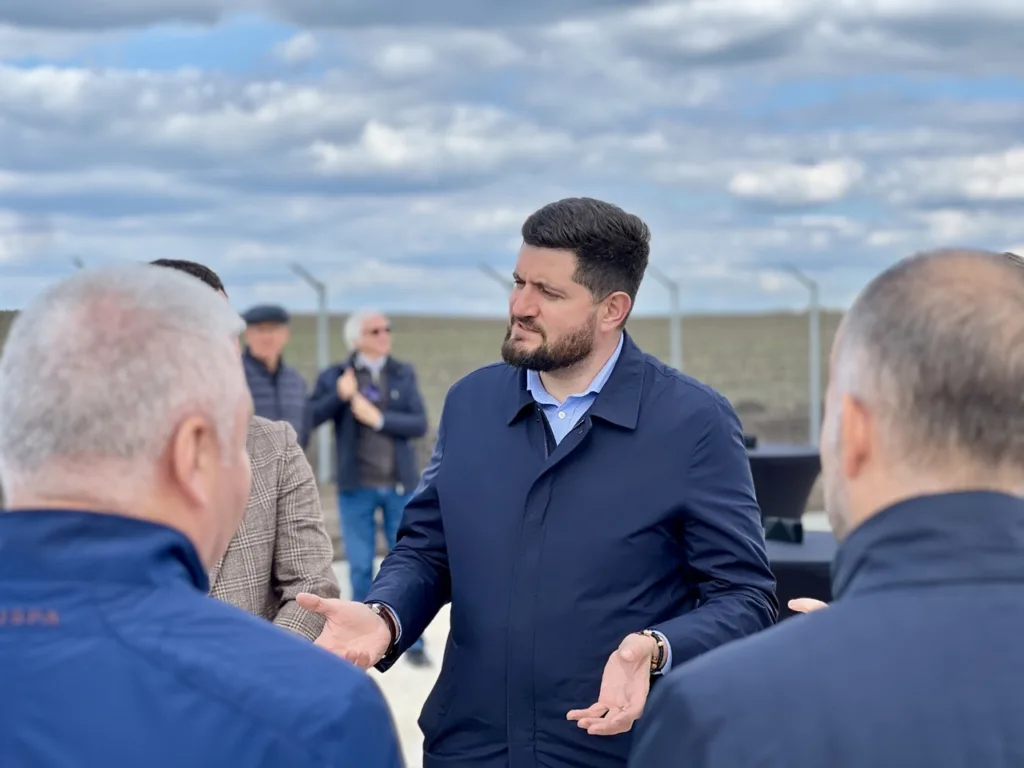
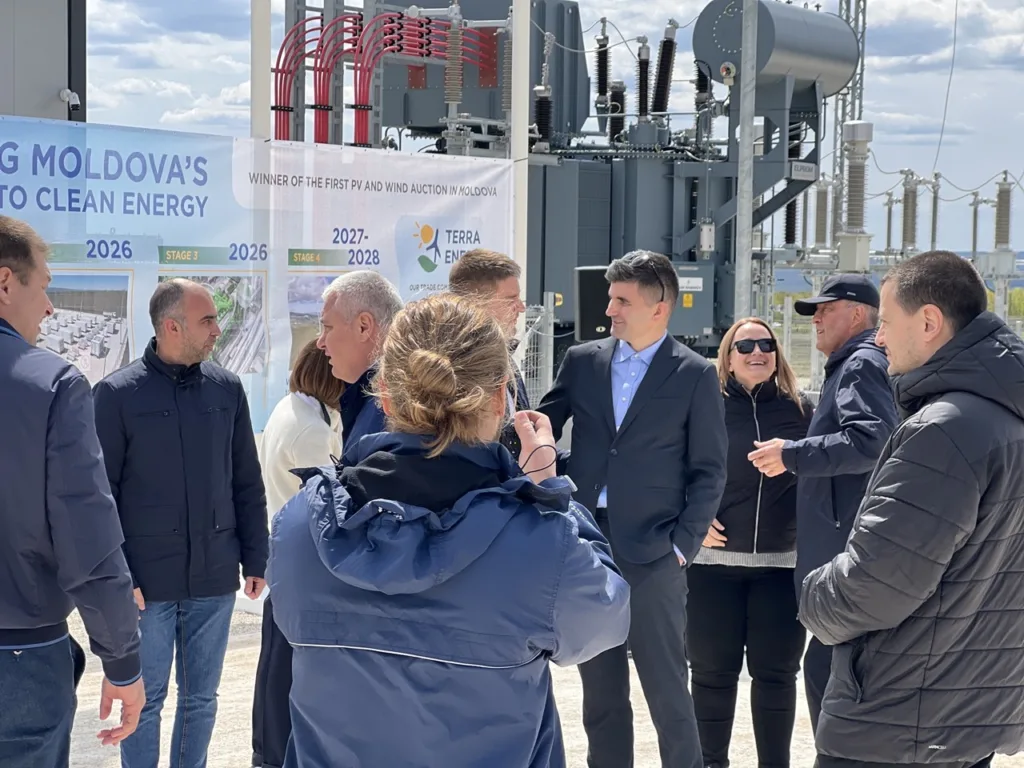
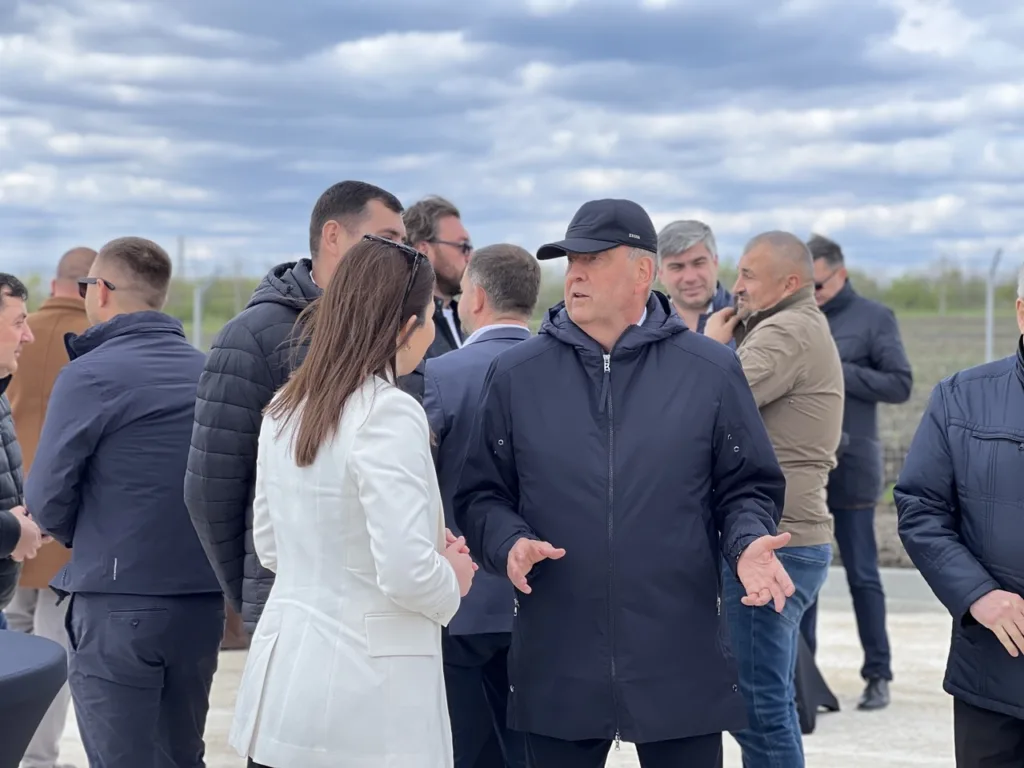
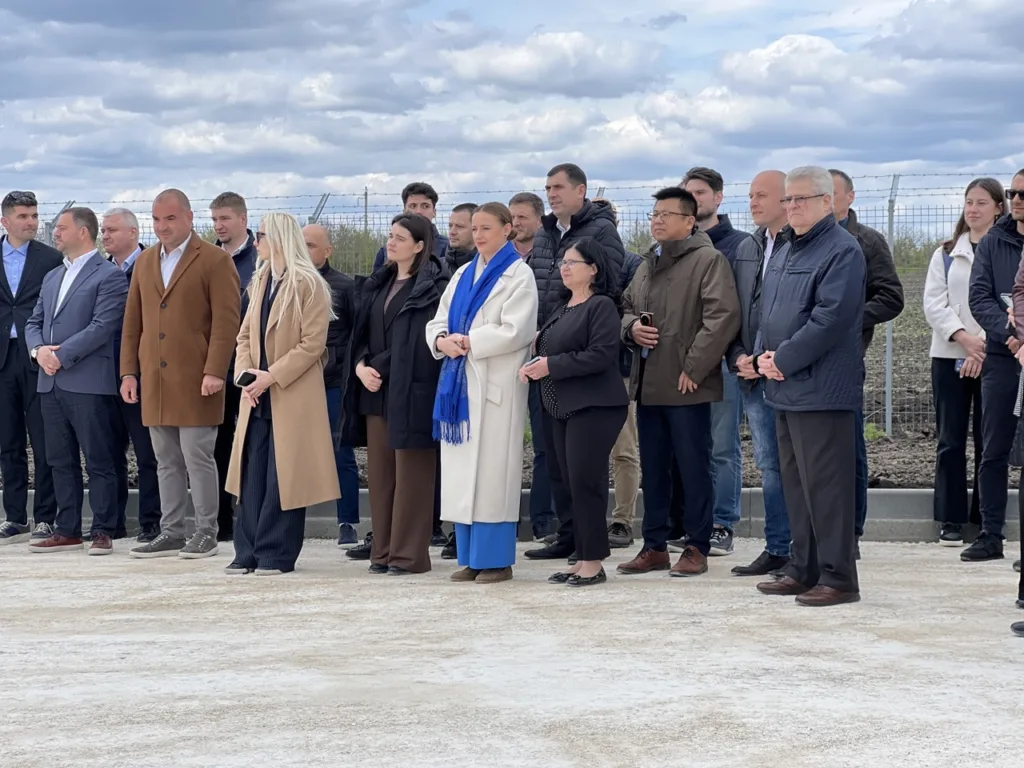
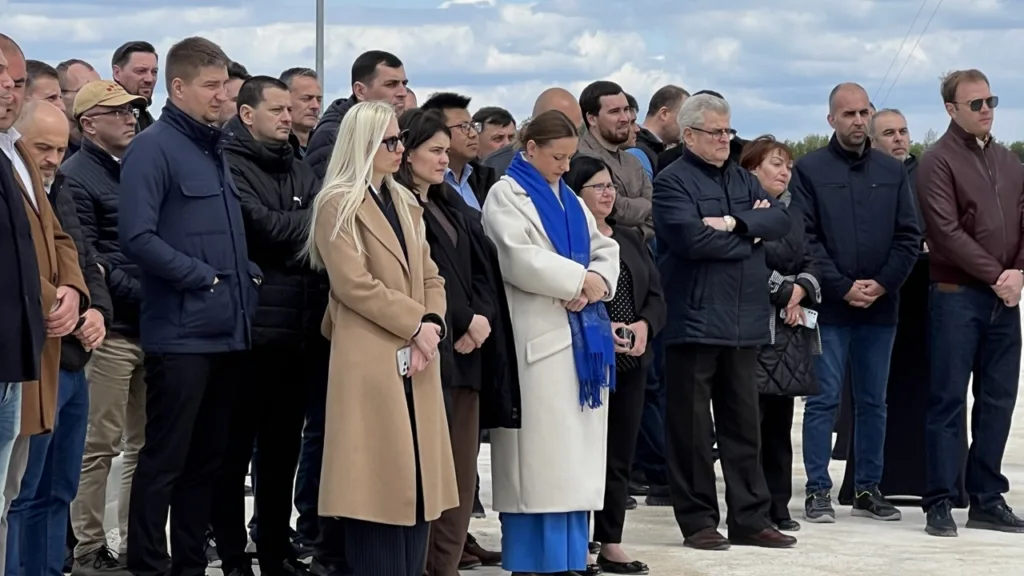
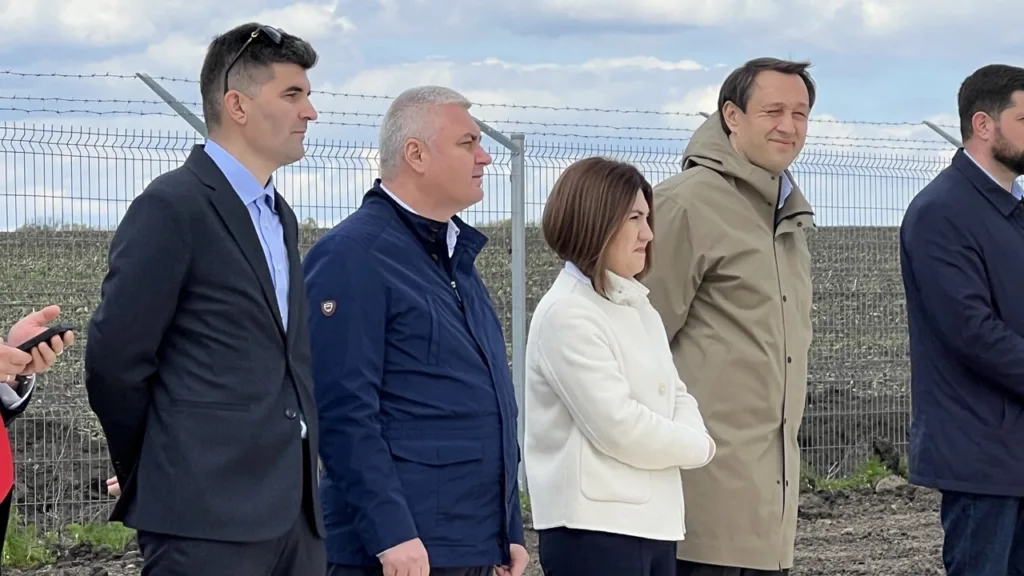
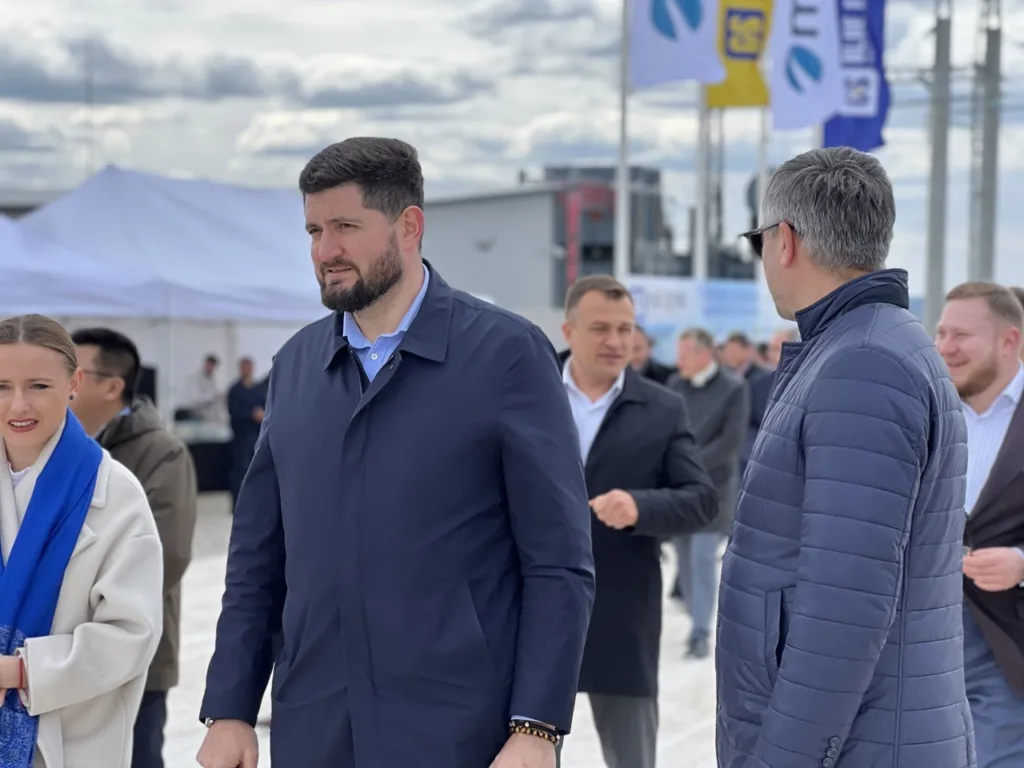
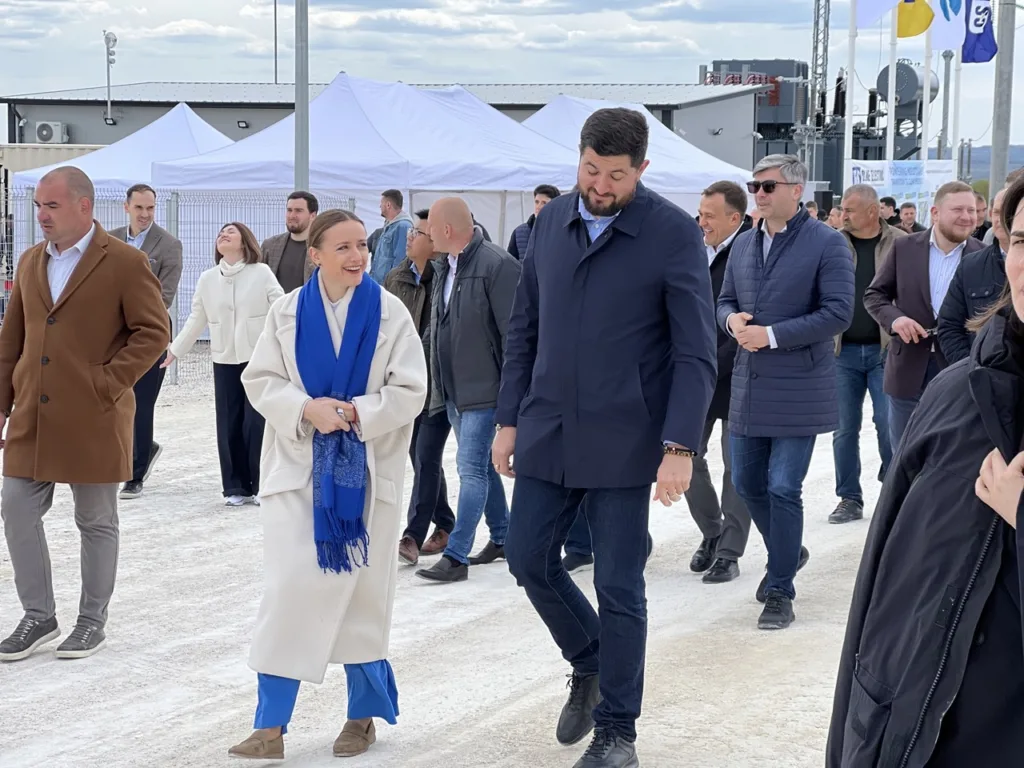
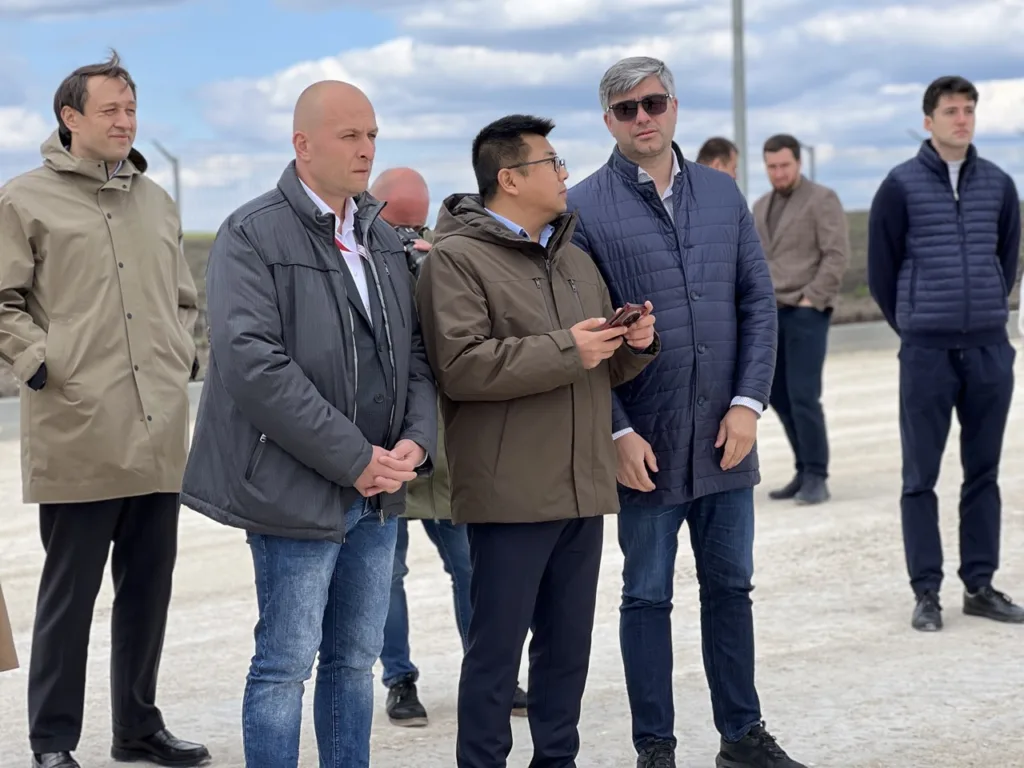
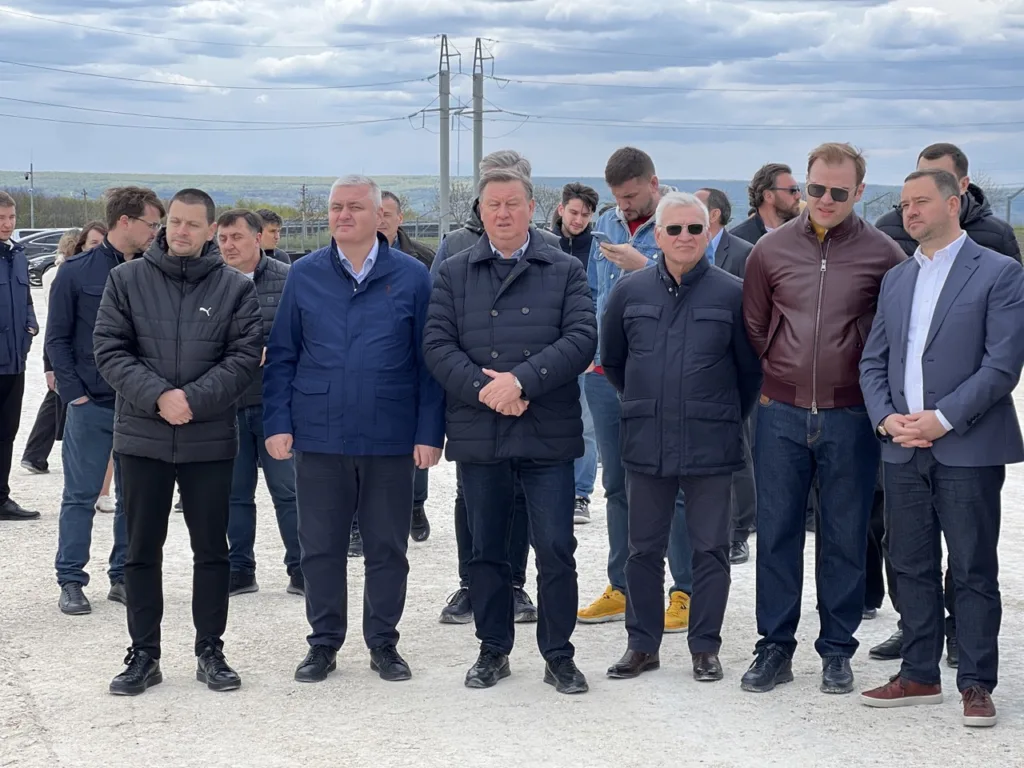
Huawei Moldova CEO Bruce Guo Min was also present at the inauguration. The event was attended by Energy Minister Dorin Junghietu, State Secretary Carolina Novac, the directors of Moldelectrica, Energocom and ANRE, as well as the project’s financial partners and other representatives of the energy sector.
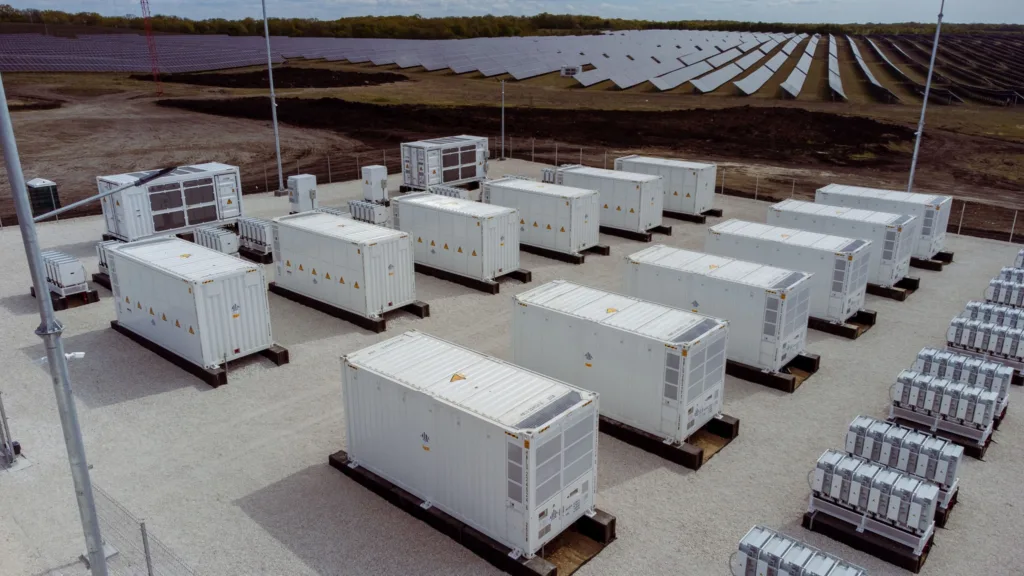
The Rădeni project now operates as a combined solar-generation and storage platform. For Moldova’s energy market, this brings a practical technical standard: renewable capacity connected with storage, real-time control and more predictable delivery into the grid.